
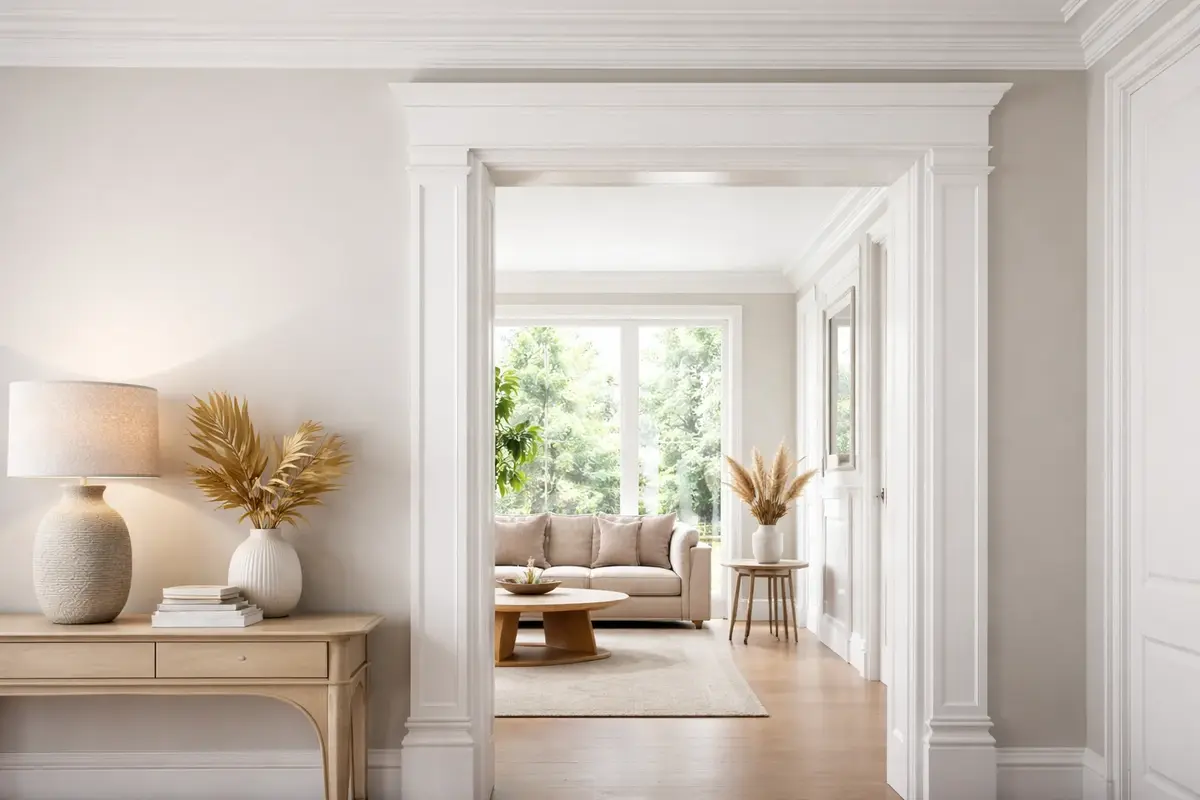
Imagine stepping into a fresh Brisbane apartment: crisp lines, open space, and modern style. Yet something feels bare around the doors and windows – the edges look unfinished, even a bit cold. Architraves – those moulded trim pieces framing doors and windows – fix that instantly. They hide gaps, protect edges, and add a polished frame that makes each room sing. In Queensland’s humid climate, architrave installation is not just decorative flair; it’s the final flourish that ties a home’s design together.
Architraves in Brisbane aren’t just a nod to tradition; they’re a practical necessity for modern finishes. Skirting boards and architraves sit at the junction between walls and floors and around door and window openings, concealing expansion gaps, protecting wall surfaces from impacts, and providing a visual transition that frames each room. In other words, they complete the look of your walls and doors while shielding them from knocks and bumps. Without proper architrave installation, even a sleek contemporary space can feel incomplete, a bit like wearing jeans with no belt.
What Is an Architrave and Why Do We Use It?
At its core, an architrave is the timber or MDF moulding that wraps around a door or window frame. Think of it as a picture frame for your openings. It might seem like a small detail, but an architrave is the finishing touch on your doorframe that makes everything look intentional. Proper architrave installation ensures the trim sits flush and clean against the wall.
In practical terms, the architrave covers the slight gap between the wall lining and the door/window frame, masking any uneven edges or imperfections.
Key purposes of architraves:
Finishing Touch
Architraves give a polished look to doorways and windows. They’re the decorative trim that elevates an interior from plain to complete.
Conceals Gaps
Builders leave a small gap between frame and wall (for settling and movement). Architraves cover these expansion gaps and seam lines, leaving a neat, gap-free appearance.
Edge Protection
Architraves form a buffer around the edges of frames, protecting the edges from knocks (think vacuum cleaners or moving furniture).
As Brighton Homes explains, architraves add aesthetic charm and act as the finishing touch to doors and windows. Without them, windows and doors often look unfinished or slapped on without a second thought.
In Brisbane interiors – where clean, cohesive design is key – that missing trim can leave a room feeling stark or incomplete. A professional architrave installation bridges that gap, literally and visually, pulling together wall and frame with a stylish finish.
Functional Benefits of Architrave Installation
Beyond looks, architrave installation serves practical purposes in your Brisbane home.
For one, it helps seal the area around windows and doors. By covering gaps, architraves improve insulation – blocking drafts and reducing noise. Experts note that architraves help seal gaps around windows, contributing to better thermal and acoustic insulation.
This aligns with building efficiency recommendations from the Australian Government’s YourHome guide, which highlights how sealing gaps around doors and windows can significantly improve indoor comfort and energy efficiency.
This means:
- cooler summer days
- warmer winter nights
- quieter interiors
A well-finished interior, complete with crisp architrave installation, is also more appealing to buyers. Heritage Moulding & Doors points out that homes with quality trims can increase resale appeal.
In Brisbane’s competitive property market, small finishing details often shape the first impression.
Moreover, a neat architrave boosts aesthetics in a measurable way. As one design blog puts it, architraves are no longer merely functional — they inject personality into your home and elevate interior design.
They define a room’s style by adding depth and detail. Whether your décor is ultra-modern or charmingly traditional, the right architrave profile creates a seamless visual transition from wall to frame.
Architrave Styles and Modern Design
Modern interior design in Brisbane often celebrates clean, minimalist lines – but even minimalist homes benefit from architrave installation.
Today’s architrave designs range from slim, flat profiles to ornate heritage styles.
Popular styles include:
Square (Flat) Profile
A straight, simple trim perfect for modern interiors.
Bullnose Profile
A softly rounded design popular in Queenslanders and Hamptons-style homes.
Colonial or Victorian Profile
Decorative mouldings ideal for heritage homes or classic interiors.
Modern architecture sometimes hides trims with shadow-line finishes, but traditional architrave installation still remains widely used because it frames openings beautifully.
Imagine architraves as the jewellery of your interior design.
A bold black trim can add contrast.
A warm timber frame adds texture.
A crisp white profile keeps things clean and coastal.
In Brisbane homes, especially those filled with natural light, white architraves remain a timeless favourite.
Materials Comparison: Timber, MDF, PVC
Choosing the right material matters when planning your architrave installation.
| Material | Pros | Cons |
| Timber | Natural warmth, can be stained or painted | More expensive, may warp in humidity |
| MDF | Budget friendly and smooth surface | Sensitive to moisture |
| PVC | Highly durable, moisture resistant | Limited finish options |
| Plaster | Detailed profiles for heritage homes | Heavy and fragile |
Timber architraves offer a premium look, especially Tasmanian Oak or Spotted Gum.
However, Brisbane’s humidity means wood should acclimatise before installation.
MDF remains a popular budget-friendly option, especially for painted interiors.
PVC architraves are increasingly common in South East Queensland because they resist moisture and termites.
Installation Essentials and Tips
Quality architrave installation is crucial. Even premium materials can look poor if installed badly.
Architraves highlight flaws — crooked cuts or uneven joins become obvious very quickly.
To achieve a professional finish:
1. Let Materials Adjust
Allow timber or MDF to acclimatise on-site for 24–48 hours.
2. Measure Twice
Precise mitre cuts are essential for tight corners.
3. Create a Small Reveal Gap
Leave a small consistent gap between frame and architrave for a clean visual line.
4. Use Strong Fixings
Nail the trim securely into the door jamb rather than just plasterboard.
5. Finish Carefully
Caulking and sanding create that smooth final result.
Many homeowners attempt DIY architrave installation, but professional carpenters often deliver a much cleaner finish.
Costs in Queensland typically range between $10 and $22 per linear metre, depending on material and profile.
Benefits of Professional Architrave Installation
A pro installer can ensure your trims fit precisely in Brisbane’s climate and style. They’ll pick the right fixings for high-traffic areas and know the trick of alternating nail angles for a secure, gap-free finish. They’ll also accommodate the local environment – for example, using PVC or treated timber in the wetter parts of a new build near the bayside.
Finally, an expert architrave installation “streamlines the transition” around your frames, making interiors look cohesive. As The Quote Yard notes, skirting and architraves are the trims every Brisbane home relies on “to complete the interior,” with the quality of this work directly impacting how polished a room feels. In short: with the right materials and craftsmanship, your home will feel more refined, functional, and valuable.
Conclusion
In the end, architrave installation is the icing on the cake of your home’s interior finishing. It’s a small detail that makes a huge visual impact – concealing gaps, protecting edges, and defining the style of a room. For Brisbane homeowners, investing in quality architraves means blending tradition with a modern edge, ensuring your space looks polished and cohesive. Whether you’re renovating an old Queenslander or building a sleek new flat, the right architrave can transform your doors and windows from bare to brilliant.
Ready to give your home that finishing flourish? Contact the Bernard Building team for advice on architrave materials, costs, or getting a custom fit. Our Brisbane carpenters are licensed, experienced, and can ensure your architrave installation adds both character and value to your interiors. Let’s frame your space beautifully!
Frequently Asked Questions (FAQs)
What exactly is architrave installation?
Architrave installation means fitting the decorative trim around doors and windows to cover gaps and finish the look. It involves cutting precise mitre joints, securing the mouldings to the frame, and caulking/painting for a seamless finish.
Why is architrave important in Brisbane homes?
In Brisbane’s style-savvy market, architraves enhance both form and function. They boost aesthetics by framing openings and hiding imperfections. They also insulate gaps and protect edges, which is crucial in our humid climate (especially if flooding or storms are a risk).
What’s the best material for architraves in Brisbane?
It depends on location and budget. Hardwood timbers (e.g. Tasmanian oak) add warmth but can warp if not acclimatised. MDF is cheap and paint-friendly but should be kept dry. PVC is moisture-resistant and popular here since it won’t swell in our humidity. For coastal or bathroom areas, PVC or treated timber is safest.
Can I install architraves myself?
Yes, if you’re handy and patient. You’ll need tools like a mitre saw, nails, adhesive and caulk. However, many Brisbane homeowners hire a licensed carpenter to ensure perfect joins and compliance with local building standards. A pro will account for uneven walls and ensure the small gaps (quirks) are consistent.
How much does architrave installation cost in Brisbane?
Costs vary by material and profile. As a guide, The Quote Yard reports typical architrave fitting is about $10–$22 per linear metre in Queensland. Complex heritage profiles or premium timbers cost more. Many installers can give a whole-house quote; on average, a 3-bedroom home’s architrave might run a few thousand dollars total (inclusive of materials and labor).