
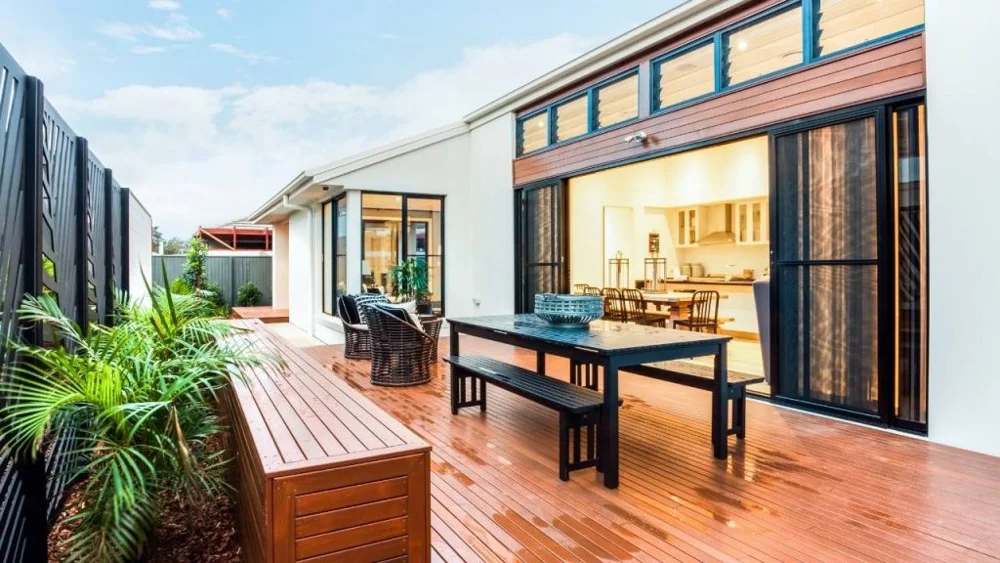
Ever stood on your weathered deck wondering if it’s time for some TLC? Maybe the boards are creaking underfoot, or you’re dreaming of mid-summer BBQs on a deck that looks as fresh as the day it was built. In Brisbane’s sun, surf and humidity, outdoor decks take a beating. But fear not! Deck renovation isn’t as daunting as it sounds. Whether it’s a small fix or a big project, deck renovation can transform your space. By the end, you’ll know when to grab a screwdriver or call in the pros, and you’ll be ready for a great deck renovation ahead.
Signs Your Deck Renovation Needs Attention
Your deck gives off warning signals. Look for loose or popping boards, faded or peeling finish, or minor cracks. Each issue fits into one of three buckets – repair, restore, or rebuild – any one of these could be part of your deck renovation strategy. For instance:
- Loose boards or nails: Replace any loose board or secure popped nails immediately. These quick fixes keep your deck safe.
- Faded or peeling finish: If the stain or oil is patchy, it’s an easy restore job – sand the surface and reapply decking oil.
- Structural sag or rot: If beams or joists sag or have deep rot, you may need a rebuild. Don’t risk collapse – replacement is smarter here.
Often in Brisbane, a good clean and spot repairs can buy a few extra years. These simple repairs are quick and keep your deck safe.
Repairing Your Deck
Sometimes a deck renovation just means small repairs. If you find a few cracked or rotten boards, replace them. Isolated insect holes or small rot spots can be cut out and replaced too. Keep an eye out – catching issues early can prevent bigger headaches later. In fact, just replacing a couple of boards is a cheap, quick fix that extends your deck’s life. Only if damage is widespread or structural (like many rotten joists) should you consider a full rebuild.
Restoring Your Deck
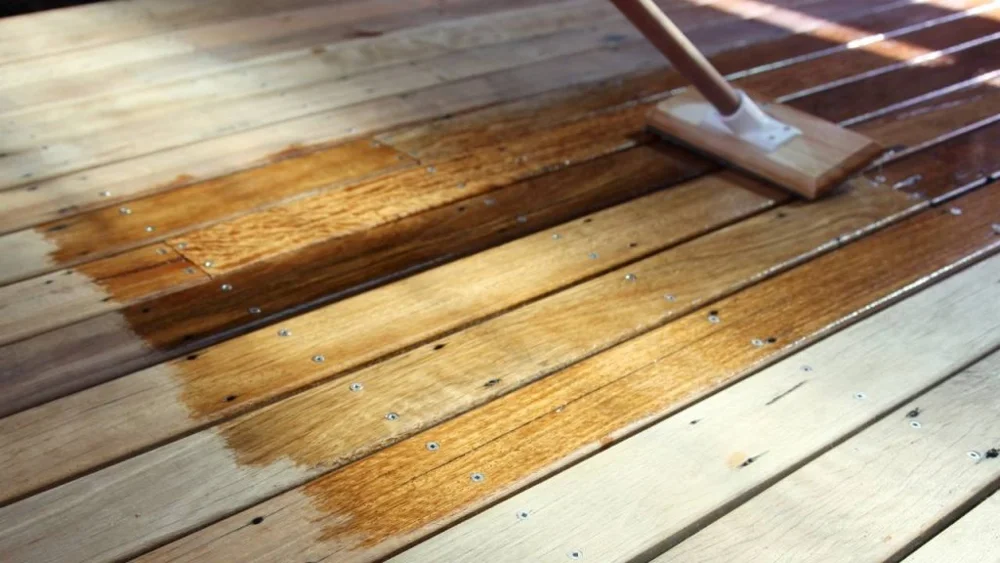
Restoring a deck is like giving it a spa day. First, clean the surface thoroughly – pressure-wash or use a deck cleaner to remove dirt, mildew and old finish. Sand away any grey, sun-bleached surface to expose fresh wood (sun and rain bleach timber over time). Once the surface is prepped, reapply a high-quality decking oil or stain. Work along the grain in thin coats – don’t slap it on too thick. It’s best to oil on a cool, cloudy day or late afternoon to prevent the finish drying too fast or washing off. This restoration step will breathe new life into the timber.
Tools and Tips: Use a stiff brush and the right applicator (woven pad or lambswool mop) to apply oil evenly. Wear rubber gloves and follow the product instructions carefully. Once dry, your deck should look refreshed and protected.
By restoring, you’re not touching the substructure – you’re just fixing the surface. A well-restored deck can weather summer storms and still look sharp into next season.
Rebuilding Your Deck
There’s a point when a deck renovation means starting over. If rot or insect damage has gone deep into the frame, or if the deck sags badly, it’s time to rebuild. Other rebuild triggers include:
- Major rot or infestation: If joists crumble or long termite tunnels are found, rebuild. Partial fixes won’t suffice.
- Structural issues: Any engineered beams or supports that are compromised need full replacement.
- Old age: If the deck is 20+ years old and showing widespread decay, a new deck might be the safest choice.
A complete rebuild resets everything. You’ll get modern materials and better footings, making future maintenance easier.
Comparing Repair, Restore, Rebuild
| Action | What It Is | Cost & Effort | Outcome |
|---|---|---|---|
| Repair | Replace a few boards or nails | Low – DIY-friendly | Quick fix that extends life |
| Restore | Sanding & refinishing surface | Medium – a few weekends DIY or with pro help | Deck looks fresh; life extended |
| Rebuild | Tear off old deck & rebuild | High – contractor required | Brand-new deck; foundation renewed |
Brisbane-Specific Tips
Living in Brisbane means dealing with tropical weather and termites. Any deck renovation should use termite-resistant materials (like treated hardwood or composite). Also, Queensland building regs have rules: decks over 10m² or more than 1 meter high usually require council approval. Small, low decks often don’t. In any case, Brisbane City Council advises inspecting your deck annually for safety. By planning accordingly, your deck renovation will comply with local rules.
Choosing Materials
Material choice makes a big difference. Hardwoods like ironbark or spotted gum resist rot; treated pine and quality composites last longer too. For screws and nails, use stainless or hot-dipped galvanized to avoid rust stains. If style is key, consider decorative touches as part of your deck renovation: integrated lighting, built-in seating, or mixed wood accents can elevate the design. Whatever you pick, ensure it matches your climate – e.g. UV-resistant finishes for our harsh sun. The right materials will pay off with a durable, beautiful deck.
DIY vs Hiring Pros
Can you handle your own deck renovation? If you love DIY and have handy experience, you can tackle cleaning, sanding and small repairs yourself. However, major structural work (like fixing joists or adding footings) should be done by licensed pros in Queensland. Always follow the building code: for example, any repair that changes footings or support beams needs a professional. Professionals can also advise on materials and ensure proper permit paperwork. In short, do what you can safely – but don’t hesitate to call experts for the big jobs. At Bernard Building, we have the tools and know-how to meet safety standards and make the process smooth. We handle deck renovations of any size, and we love seeing clients enjoy their refreshed outdoor space.
Conclusion
At the end of the day, a smart deck renovation is all about knowing how far to go. Sometimes your deck just needs a few tight screws and a fresh coat of oil. Other times, it’s begging for a full glow-up or a clean slate rebuild. Brisbane’s climate doesn’t forgive neglected timber, but the good news is that with the right call at the right time, you can extend your deck’s life, boost your home’s value, and seriously upgrade how you live outdoors. I’ve seen small fixes turn tired decks into weekend heroes, and I’ve seen full rebuilds completely change how a home feels. If your deck is creaking, fading, or just not sparking joy anymore, don’t ignore it. Listen to it, assess it honestly, and take action. A well-planned deck renovation isn’t just maintenance — it’s an investment in better mornings, longer evenings, and a backyard you’re actually proud to show off.
Read Also: Why Custom Stairs Are the Perfect Fit for Modern Brisbane Homes
FAQs About Deck Renovation in Brisbane
Do I need a building permit for my deck?
Typically yes: Queensland decks over 10m² or over 1m high usually need approval. Free-standing, ground-level decks smaller than that often don’t. When in doubt, check Brisbane City Council guidelines or talk to a certifier.
How often should I oil or stain my timber deck?
A good rule: clean and inspect quarterly, then apply decking oil or stain every 12–24 months. This keeps mold away and protects the wood. More frequent oiling (every year) can be a good idea in our sun.
Can I just replace a rotten board instead of rebuilding?
If rot or damage is confined to one or two boards, yes – simply replace those boards. But if you find rot in several boards or the support beams, a partial fix might not be safe. In that case, plan on a bigger rebuild.
What’s the difference between restoring and rebuilding a deck?
Restoring is like a facelift: you sand down the old surface, clean, and reapply finish. It revitalizes the same deck. Rebuilding means tearing the deck down and building a new one (usually because the frame is damaged or very old). One is surface work, the other is basically starting fresh.
Will deck renovation add value to my home?
Yes. A well-maintained deck renovation is an attractive outdoor living feature. One guide notes small deck repairs can increase home value by about 5–10%, while a complete rebuild can add around 10–20%, especially if it improves the usable space.