
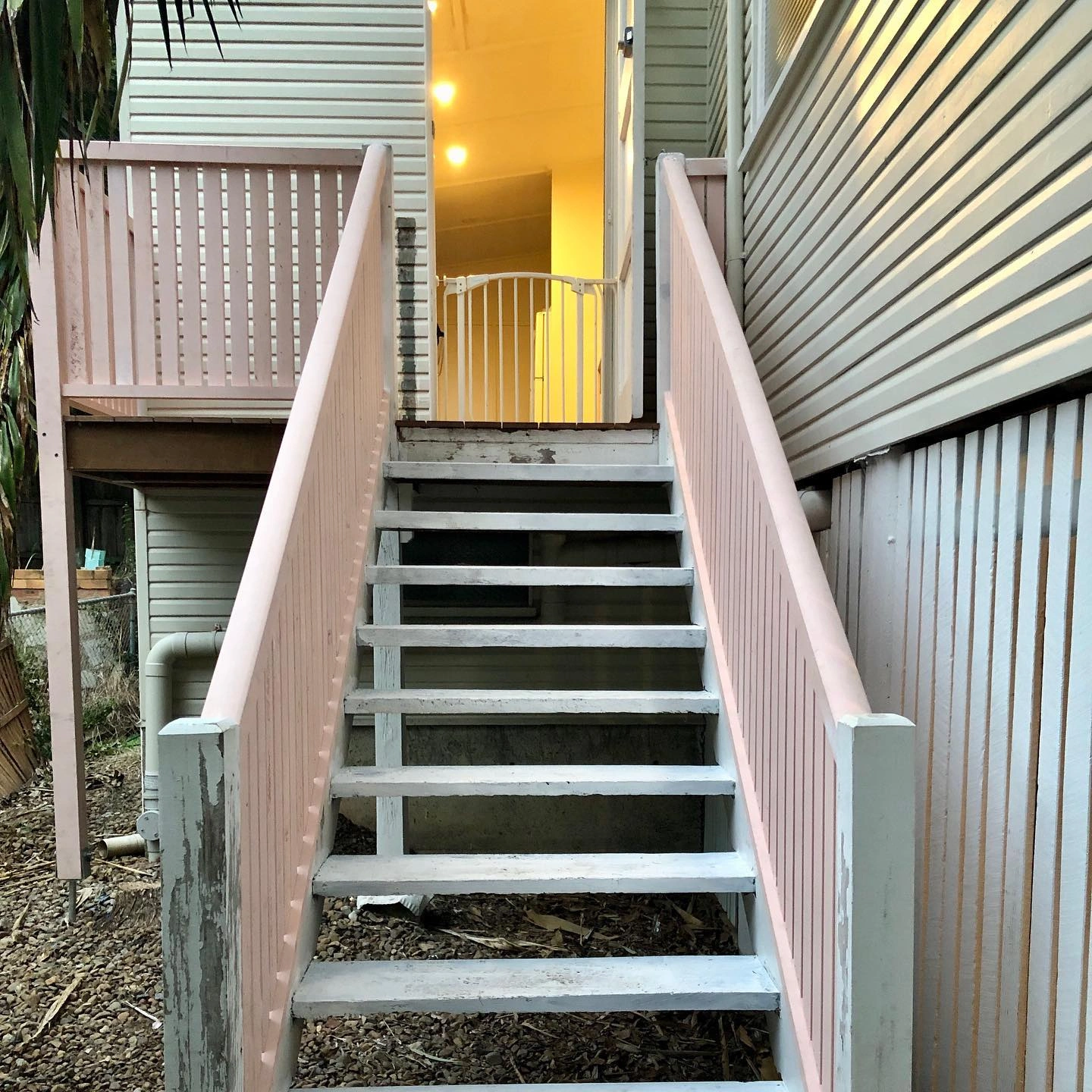
Brisbane is famous for its indoor–outdoor lifestyle, and your external stairs are literally your home’s footwear – they need to look great and handle tropical storms. Think of a staircase as the “shoes” on your house: it should match the outfit (the architecture) and survive even when it’s pouring. Brisbane’s intense sun, humidity and downpours mean only the toughest designs stick around. In this guide, I’ll share the hottest external stair styles Brisbane residents love for 2026, from sleek modern flights to classic hardwood heritage steps.
Weatherproofing Your Staircase for Brisbane
You know that sinking feeling when a storm hits and your wooden porch gets swampy? Brisbane weather is a wild mix: heavy rain one minute, blazing UV the next. Every rainy season, a quick drain is a lifesaver, especially when designing external stairs brisbane homes depend on for daily use. Heavy downpours will pond on any flat step, making it slippery and rot-prone.
Likewise, constant sunshine can dry out or fade materials. Durability is king. As one local stair expert notes, Brisbane’s subtropical climate brings “intense sun, heavy rain, humidity, and seasonal storms,” all of which can erode poorly built external stairs brisbane structures.
Good designers tackle this head-on: they plan for excellent drainage (open treads, gaps between steps) and non-slip surfaces right from the start. When stairs are built for our conditions, they stay safe and gorgeous year-round.
Unlike indoor steps, outdoor staircases need special treatment. You don’t want your new staircase turning into a slip ’n slide after the first storm! That means choosing materials and finishes that shed water (think open risers, waterproof coatings) and adding grit to tread surfaces.
In practice, well-built external stairs brisbane often include spaces between steps, waterproof-tough coatings, and sometimes even a small roof or awning above. Do it right, and you’ll thank yourself next storm season.
Materials Built for Brisbane Conditions
Not all materials thrive under Queensland’s skies. We want materials that resist rot, rust and fading, especially when building durable external stairs brisbane homeowners can rely on for years.
Local builders often recommend galvanised or powder-coated steel for the stringers or framework because it does not corrode easily in humid conditions and provides strong structural support for external stairs brisbane projects.
Concrete is another weather champion. It is extremely durable and handles heavy foot traffic like a true workhorse, making it a practical option for long-lasting external stairs brisbane installations.
For a warm and natural look, treated hardwood such as Spotted Gum or Ironbark remains a classic Queenslander choice. However, it must be properly sealed to protect against moisture and harsh UV exposure.
Composite decking boards are also becoming popular because they are weather-resistant, low maintenance, and suitable for modern external stairs brisbane designs that need both style and strength.
| Material | Advantages | Considerations |
| Galvanised/Powder-coated Steel | Extremely durable and rust-resistant | Can get hot under sun; smooth steel needs textured treads for grip |
| Concrete | Highly weatherproof and long-lasting | Heavy (needs strong supports); looks less refined |
| Hardwood (Treated) | Natural warmth, classic style | Requires regular sealing; can crack/warp if neglected |
| Composite Boards | Rot-proof, very low maintenance | Higher upfront cost; less “natural” look |
Most Brisbane stair projects mix these materials. For example, a popular combo is a steel subframe with hardwood or composite treads. One Brisbane deck builder, Lifestyle Patios, custom-designs each staircase “to match your deck or patio”, often using a steel frame and slip-rated hardwood steps. The bottom line? Pick components rated for outdoor use and Queensland’s salt air – it’ll pay off when you hear the rain pelting the steps and they still feel solid.
Stylish Brisbane Staircase Trends
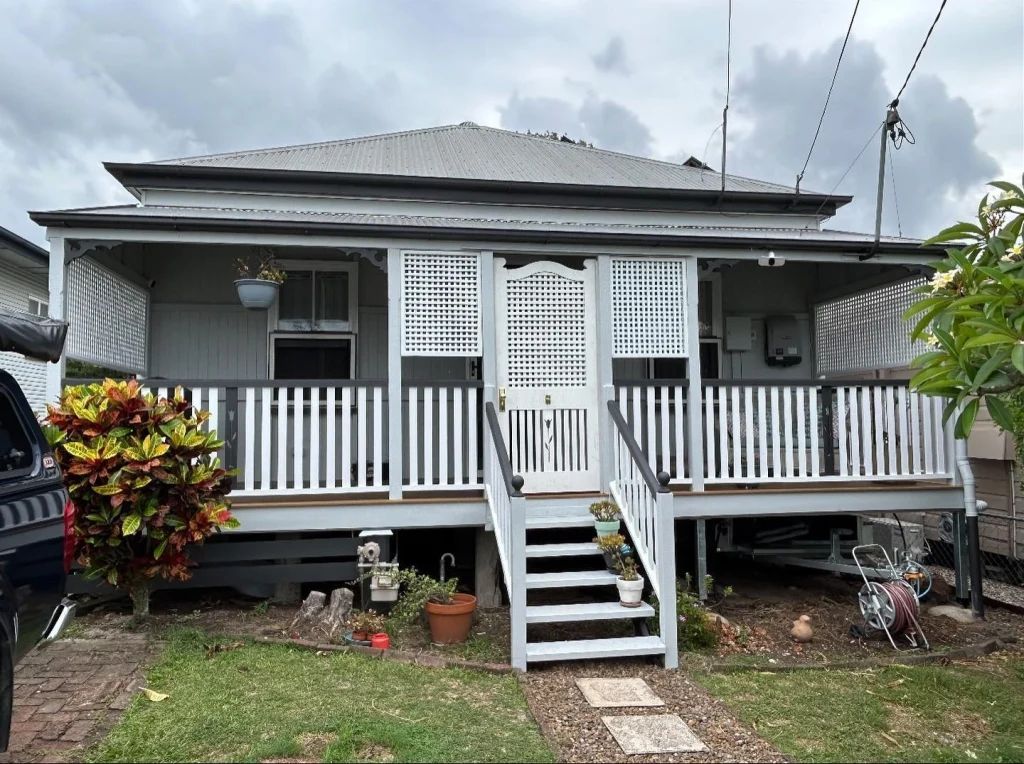
These days Brisbane staircases aren’t just utility steps; they’re design statements. Homeowners are blending style and function in creative ways when choosing external stairs brisbane that complement modern architecture.
A big trend for 2026 is sleek open-tread stairs that almost float. In this look, each tread is independent (no risers), letting rain drain right through while creating visually striking external stairs brisbane designs. The effect is very light and modern – almost like a suspended sculpture.
On the high-tech side, some Brisbane homes use steel mono-stringer stairs (one central beam) with chunky timber treads or even glass side panels, giving a bold industrial vibe often seen in premium external stairs brisbane projects.
Many homeowners also love nods to nature: “timber-look” finishes on metal stairs are trending, marrying metal’s strength with wood’s warmth. Covered staircases – with a small gable or awning overhead – are still a hit, since they keep steps dry and reduce maintenance for external stairs brisbane in wet weather.
In short, today’s Brisbane stairs mix bold materials such as steel and glass with smart features like easy drainage and integrated lighting. It’s all about showing style without sacrificing safety or longevity.
Local carpenters note that the most popular external stairs brisbane designs balance modern aesthetics with weather-smart features like open risers and textured, anti-slip treads. Imagine a staircase that looks crisp and modern, yet doesn’t become an accidental slip hazard in the rain – that’s exactly what homeowners are asking for in 2026.
Traditional vs. Modern Styles
Brisbane’s heritage homes still boast old-school Queenslander staircases – you know, the ones with turned hardwood posts and ornate balustrades. True traditionalists say, “All genuine Queenslander stairs were hand crafted from hardwood”. Many renovators keep that vibe: using heavy timber stringers and decorative brackets to preserve the classic look.
But a lot of new construction has a more modern taste. For instance, it’s common to replace rotting timber supports with a slim galvanised steel frame (so it won’t rot or move), yet still keep wooden treads for warmth. Some new designs go fully contemporary: solid concrete stairs with crisp steel railings or frameless glass balustrades are rising in popularity.
Another fresh idea is a “floating” stair, where steel beams are concealed in walls or under the deck, so steps seem to float in mid-air. Even garden-integrated designs (stairs built into landscaping) are turning heads.
In short, Brisbane’s latest stairs include everything from restored heritage stairs to ultra-contemporary floating metal work – there’s room for both in 2026.
Safety and Building Codes
Looks are great, but Brisbane’s building rules are serious business. Australian standards treat outdoor stairs just like indoor ones – plus they add extra rainproofing rules. That means your new Brisbane staircase must tick all these boxes:
- Uniform risers and treads – no surprise steps! (Australian code usually allows only ±5mm variation per flight). Uneven steps are a classic trip hazard.
- Secure handrails and balustrades – any side where someone could fall needs a sturdy railing, typically for rises over 1 metre.
- Non-slip surfaces – for outdoor steps, the NCC even requires a higher slip-resistance rating because of rain. (In practice that means choosing rough decking or adding grip strips.)
- Proper landings and angles – steps should neither be too steep nor too shallow. There are rules for maximum riser height and minimum tread depth so climbing feels natural. (A tall party trick: a Brisbane stair with exactly the wrong angles gets flagged by inspectors!)
If you work with a local QBCC-licensed builder, they’ll make sure your plans comply with the National Construction Code (NCC) and Queensland’s building rules.
For example, Lifestyle Patios points out that all their stairs are designed by licensed carpenters and submitted to a private certifier or council for approval. Bottom line: a gorgeous staircase still needs to pass the safety test – and Brisbane’s codes help ensure it does.
Maintenance Tips for Brisbane Steps
Even the best stairs need a little love. I always tell mates: keep your outdoor steps clean and sealed, and they’ll last for years. Brisbane’s mix of sun and rain means mould, rust and rot are everywhere. Here are some tips:
- Clean regularly: Sweep and hose off leaves and dirt so water drains away instead of sitting on the treads.
- Inspect for wear: Check any metal supports or fasteners for rust and treat them promptly. Look at timber for cracking or mildew.
- Protective coatings: Reseal or repaint wooden treads and posts every few years to block moisture and UV. Galvanised steel usually needs little upkeep, but a fresh coat of paint can extend life.
- Maintain drainage: Keep the area under stairs clear so debris can’t clog it. A simple gutter above stairs (or a gap between steps) can save a lot of headaches.
Step Ahead Carpentry (a Brisbane stair specialist) recommends exactly this routine – “Clean surfaces regularly to prevent mould; inspect for rust or wear; reapply protective coatings when neede”. And remember: always use materials rated for outdoors. If you’re unsure about a design or material, check the National Construction Code (NCC) for stairway requirements or ask a local pro. A little upkeep keeps your stairs looking sharp and safe, no matter what Queensland throws at them.
Conclusion
Brisbane’s best external stairs brisbane are the ones that marry style with substance. In 2026, that means using tough materials (galvanised steel, sealed hardwood, concrete or composite), clever designs (open risers, covers or hidden supports), and sticking to the safety rules.
The result? A staircase that complements your home and survives tropical storms – instead of turning into a slip ’n slide. Whether your dream is a crisp modern steel-and-glass stair or a charming hardwood heritage flight, the key is smart planning: ensure proper drainage, sturdy rails, and non-slip steps.
Now it’s your turn: picture your ideal Brisbane stairway. Will it be a sleek floating flight or a classic timber retreat? Talk to a local builder like Bernard Building, sketch it out, and get excited about your home’s new “shoes.” After all, the right staircase is more than just steps – it’s a statement that welcomes you (and your guests) every day.
FAQs
1. What’s the best material for an external staircase in Brisbane?
The top picks are galvanised steel, concrete, composite boards, or treated hardwood. Steel frames resist rot and salt air, concrete is super-strong, and composite or sealed hardwood treads give the beauty of wood with weatherproof performance.
2. How much do external stairs cost in Brisbane?
Prices vary a lot with size and style. A simple straight steel-and-timber staircase might start in the low thousands of dollars. Fancy multi-level stairs (with landings or integrated lighting) can cost much more. Generally, custom-designed stairs give the best value since they’re built right from the start.
3. Do I need council approval for a new staircase?
Usually, yes. In Brisbane, any external stair over 1 m high typically requires a building permit or certification. You’ll need to meet the NCC and Queensland codes for heights, landings and railings. Most professional installers handle the paperwork – after all, every deck or stair they build goes through QBCC-licensed approval and council checks.
4. How can I make sure my outdoor stairs aren’t slippery?
Pick slip-rated materials (for example, P4-rated timber treads or rough composite boards) and include drainage (open risers or gaps). Clean steps regularly to remove algae or mould. In our wet climate, the NCC explicitly expects uncovered stairs to have “wet condition” slip resistance, so ask your builder about anti-slip coatings or nosing strips.
5. Are open-riser stairs allowed outside?
Yes – but with a catch. Australian code says the gap between treads must be small enough that a 125 mm sphere cannot pass through. In practice, that means leaving at most about a 120 mm gap between treads. This keeps kids (and adults) safe while still letting water drain and giving that cool floating look.
6. Can I add lighting or a roof to my external staircase?
Absolutely. Many 2026 designs include LED strip lights under the steps or along the handrail for nighttime ambiance and safety. A simple gabled roof or awning is also common to shield stairs from rain (just ensure it meets wind-load regulations). Both features can make your staircase even more functional and eye-catching.